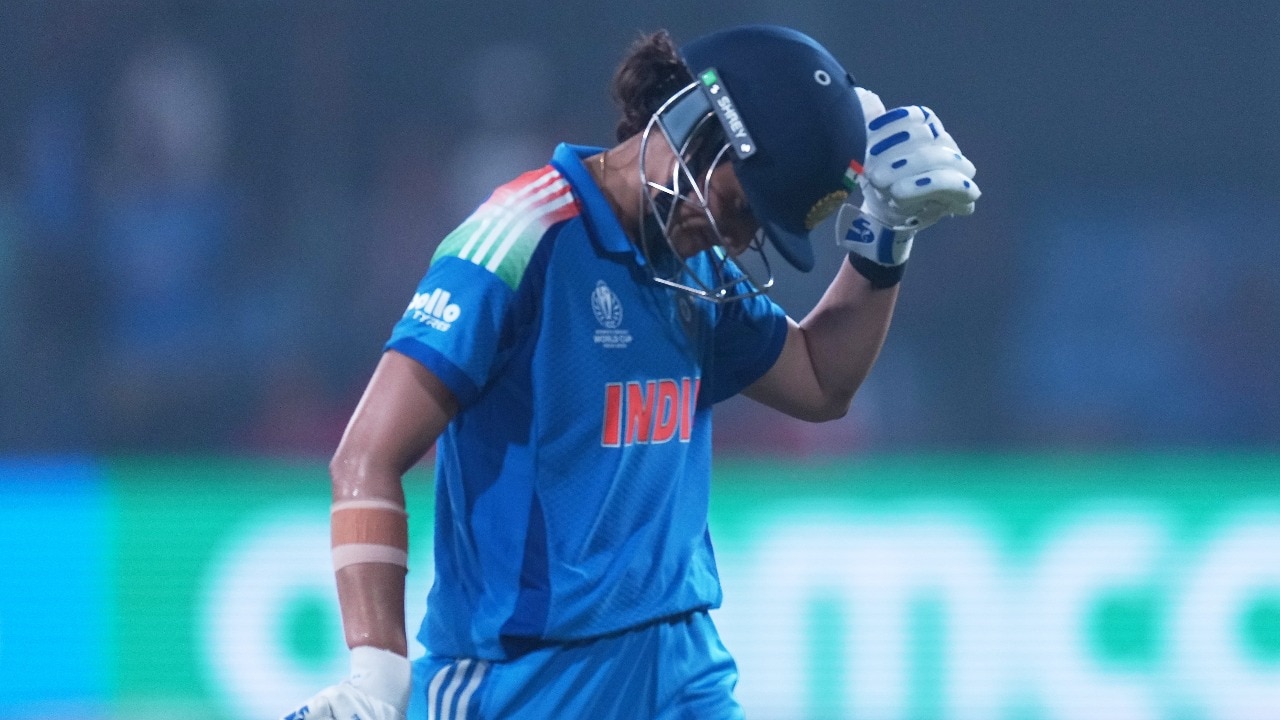
Mandhana's Wicket: India's Turning Point in a High-Stakes England Clash
In the unpredictable world of international cricket, few rivalries captivate audiences quite like the contests between India Inghilterra cricket teams. These clashes are often defined by moments of individual brilliance, strategic gambles, and nail-biting finishes. One such encounter, a crucial ICC Women's World Cup match, saw a thrilling chase by India ultimately fall short against a determined England side, with a single wicket identified as the decisive turning point: Smriti Mandhana's dismissal.
This match wasn't just another fixture; it was a battle for semi-final berths, etching itself into the memories of fans at the Holkar Stadium. While India had seemed on course for a resounding victory, the game swung dramatically, highlighting the fine margins that often separate triumph from heartbreak in the sport.
Setting the Stage: A World Cup Semi-Final Showdown
The atmosphere was electric as England, opting to bat first, set a challenging target. Led by a magnificent century from captain Heather Knight, who blazed 109 runs off just 91 deliveries, England posted a formidable total of 288 for 8 in their allotted 50 overs. Their innings showcased a blend of aggression and tactical stability, laying down a stern test for the Indian batting lineup on what was generally considered a batting-friendly surface.
For India, the stakes couldn't have been higher. A win would significantly boost their chances of securing a semi-final spot in the prestigious Women's World Cup, allowing them to join already qualified teams like Australia and South Africa. The pressure was immense, but the home crowd believed in their team's ability to chase down any target, especially with their powerful batting unit.
India's Dominant Chase and the Pivotal Partnership
India's chase, however, didn't begin without its hiccups. Early wickets of Pratika Rawal and Harleen Deol left them at 42 for 2, adding to the tension. Yet, it was from this point that the chase truly ignited. India's vice-captain Smriti Mandhana and skipper Harmanpreet Kaur, two of the most dynamic batters in women's cricket, came together to forge a partnership that exuded confidence and class.
The duo embarked on a phenomenal 125-run stand off just 122 balls for the third wicket. Mandhana, playing an anchoring yet aggressive role, notched up her second consecutive half-century, eventually top-scoring with a brilliant 88. Kaur, known for her explosive hitting, complemented her perfectly, bringing up a run-a-ball 70. Together, they meticulously chipped away at England's total, maintaining a healthy run rate and putting India firmly in the driver's seat. At this juncture, with India cruising past the 150-run mark with wickets in hand, victory seemed almost inevitable for the home side. The crowd was ecstatic, and the belief was palpable.
The Moment of Truth: Mandhana's Wicket and the Shift in Momentum
Even after Nat Sciver-Brunt secured the breakthrough by dismissing Harmanpreet Kaur, India still held the upper hand. Deepti Sharma joined Mandhana, and their partnership added another 67 runs off 66 balls, keeping the required run rate under control. India needed 62 runs from the last 60 deliveries, a task that, with a set batter like Mandhana at the crease, felt well within reach.
Then came the moment that captain Harmanpreet Kaur later identified as the unequivocal "turning point" of the match. In the 42nd over, the left-arm spinner Linsey Smith, who had bowled a tight spell throughout, tossed up a delivery. Smriti Mandhana, attempting to clear the boundary and accelerate the scoring, mistimed her shot. The ball soared towards the boundary, but not over it, landing safely in the hands of an English fielder. Mandhana was out for 88. This was not just any wicket; it was the wicket of India's highest scorer, their most settled batter, and the lynchpin of their chase.
The psychological impact was instantaneous and profound. Losing a set batter, especially one performing so fluently, can derail even the most well-laid plans. It forces new batters, under immense pressure, to immediately find their rhythm and accelerate, a task far easier said than done. England, sensing the shift, tightened their lines and lengths, applying relentless pressure. From 234 for 3, India stumbled, losing quick wickets and managing only 284 for 5 in their 50 overs, falling short by a mere four runs. Nat Sciver-Brunt's 2-47 and Linsey Smith's economical 1-40, including that crucial wicket, proved instrumental in England's remarkable comeback victory.
This pivotal moment underscores a critical lesson in cricket: the importance of converting good starts into match-winning innings. While Mandhana's 88 was exceptional, had she remained until the end, or been dismissed trying to play a more calculated shot, the outcome might have been different. For teams in such high-pressure run chases, a practical tip is for a well-set batter to communicate with the incoming player, guiding them through the initial overs and carefully assessing risk versus reward, especially in the death overs.
Strategic Fallout and the Road Ahead for India
The defeat was India's third consecutive loss in the tournament, following earlier setbacks against Australia and South Africa. This result not only secured England's place in the semi-finals but also significantly complicated India's path, leaving them in a precarious position. Their semi-final hopes now hinge on "a massive reversal of form" in their remaining two group matches against New Zealand and Bangladesh. The pressure on the team to perform and secure crucial victories will be immense, as they aim to claw their way back into contention.
For a deeper dive into how this defeat impacts their tournament journey, read our analysis on ICC Women's World Cup: India's Semifinal Hopes Dented by England.
The Enduring Rivalry: A Look at India vs. England in Cricket
The intensity of this particular match also serves as a potent reminder of the storied rivalry between India Inghilterra cricket teams across both men's and women's formats. The historical ties between these two cricketing nations run deep, dating back to the early days of international cricket. India's entry into Test cricket in 1932, spurred by the Marylebone Cricket Club's (MCC) efforts to promote the sport across the British Empire, marked the beginning of a rich cricketing legacy.
Over the decades, matches between India and England have consistently delivered thrilling spectacles, from iconic Test series to high-octane limited-overs encounters. The Indian men's team, under the aegis of the Board of Control for Cricket in India, boasts a formidable record, including two ICC Cricket World Cup titles in 1983 and 2011. These victories are testaments to India's enduring passion for cricket and their rise as a global cricketing powerhouse.
The women's game, while having a more recent surge in prominence, equally showcases the competitive spirit. Matches like this World Cup encounter reinforce that whether it's men or women, the contest between India Inghilterra cricket teams is always one to watch, filled with high drama and unforgettable moments.
To explore the full narrative of this fierce competition, check out India-England Cricket: A Storied Rivalry and World Cup Dreams.
Conclusion
Smriti Mandhana's dismissal stands as a poignant reminder of how quickly fortunes can change in cricket. What appeared to be a comfortable chase for India spiraled into a narrow defeat, fundamentally altering the trajectory of their Women's World Cup campaign. While the loss was undoubtedly painful for the home team and their fans, it also highlighted the strategic brilliance of England and the unrelenting pressure of knockout cricket. As India looks to regroup and fight for their semi-final spot in their remaining matches, the lessons from this encounter, particularly the importance of composure and finishing strong, will be paramount. The rivalry between India Inghilterra cricket will continue to produce such gripping contests, each adding another chapter to their shared, illustrious history.